


Electrical safety
User protection and risk management are our top prioritie
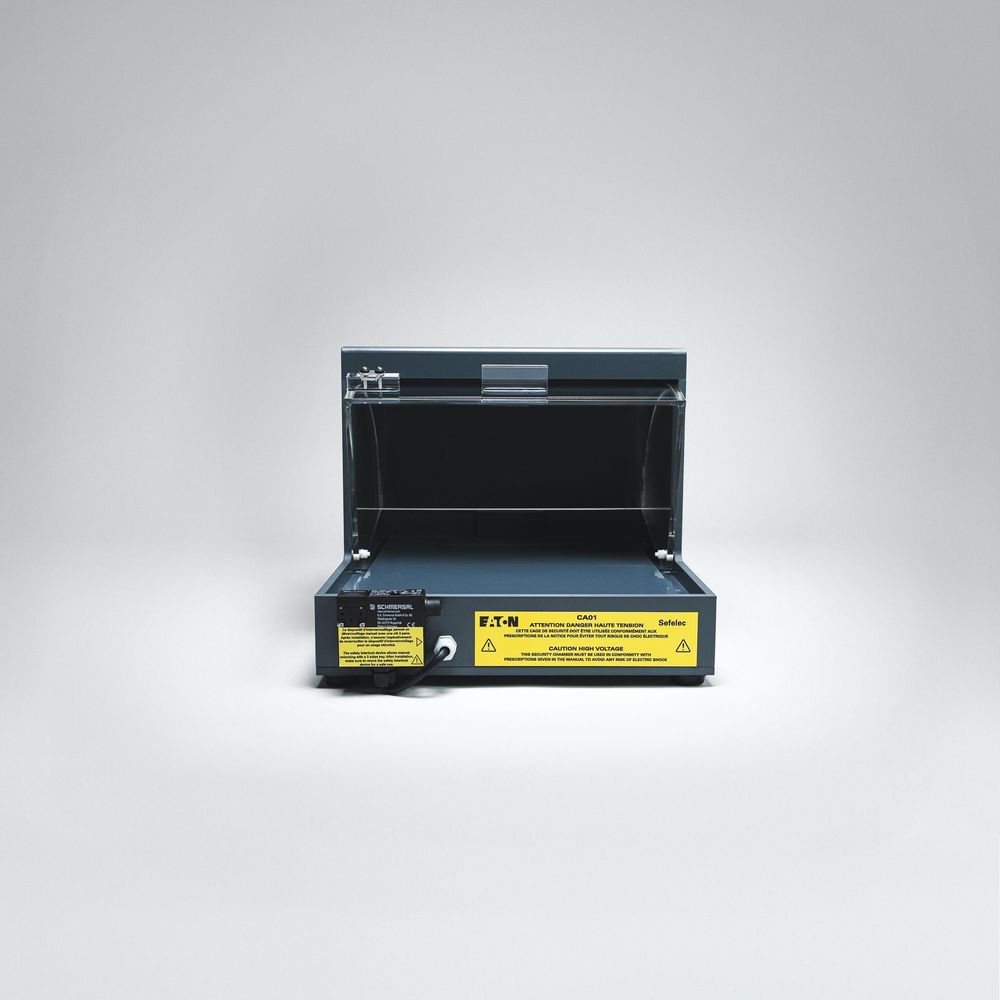
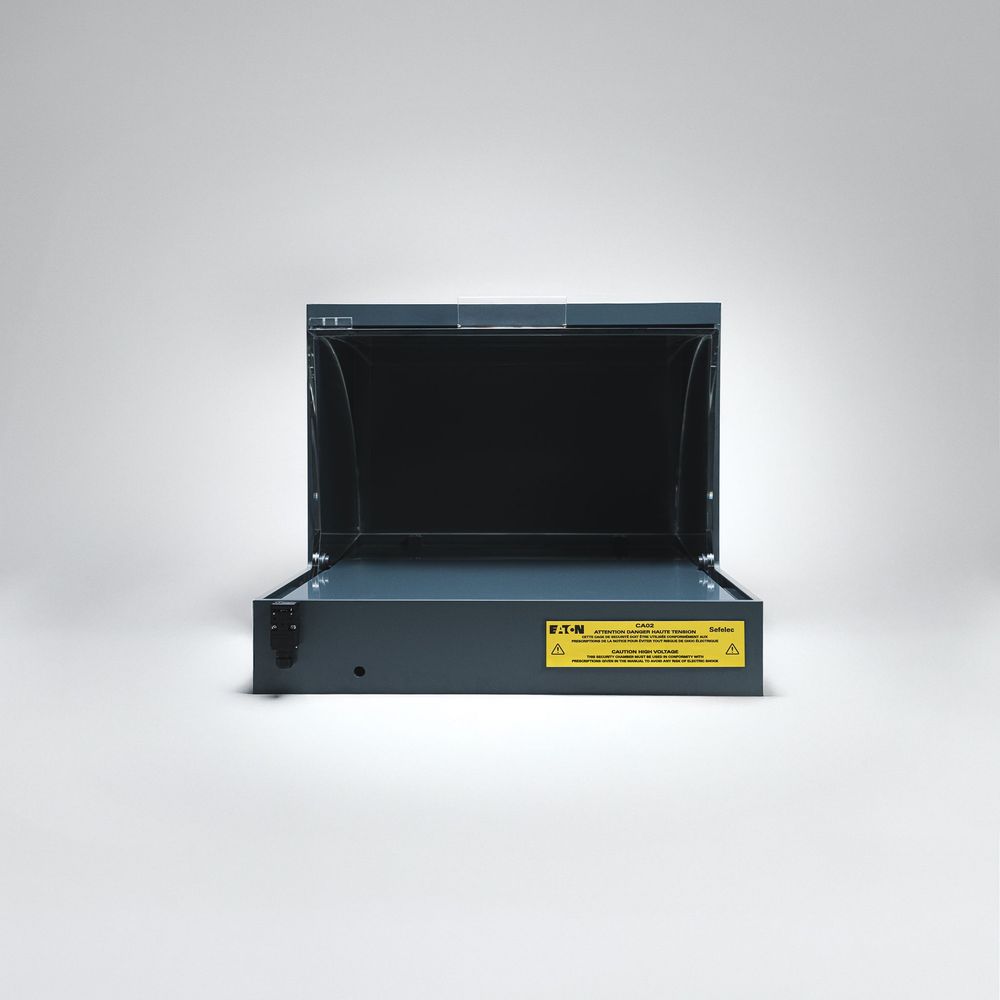
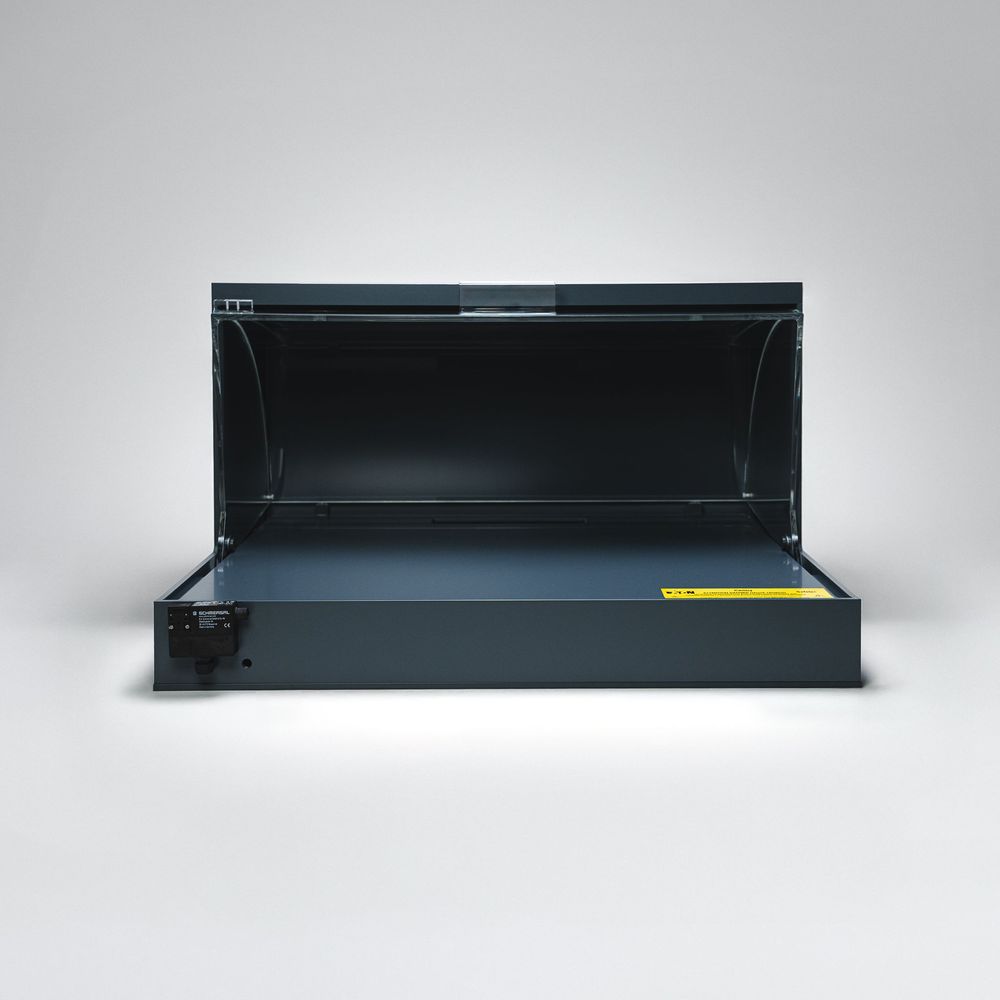
Dielectrimeters
For high‑acurracy dielectric strength and insulation resistance measurements
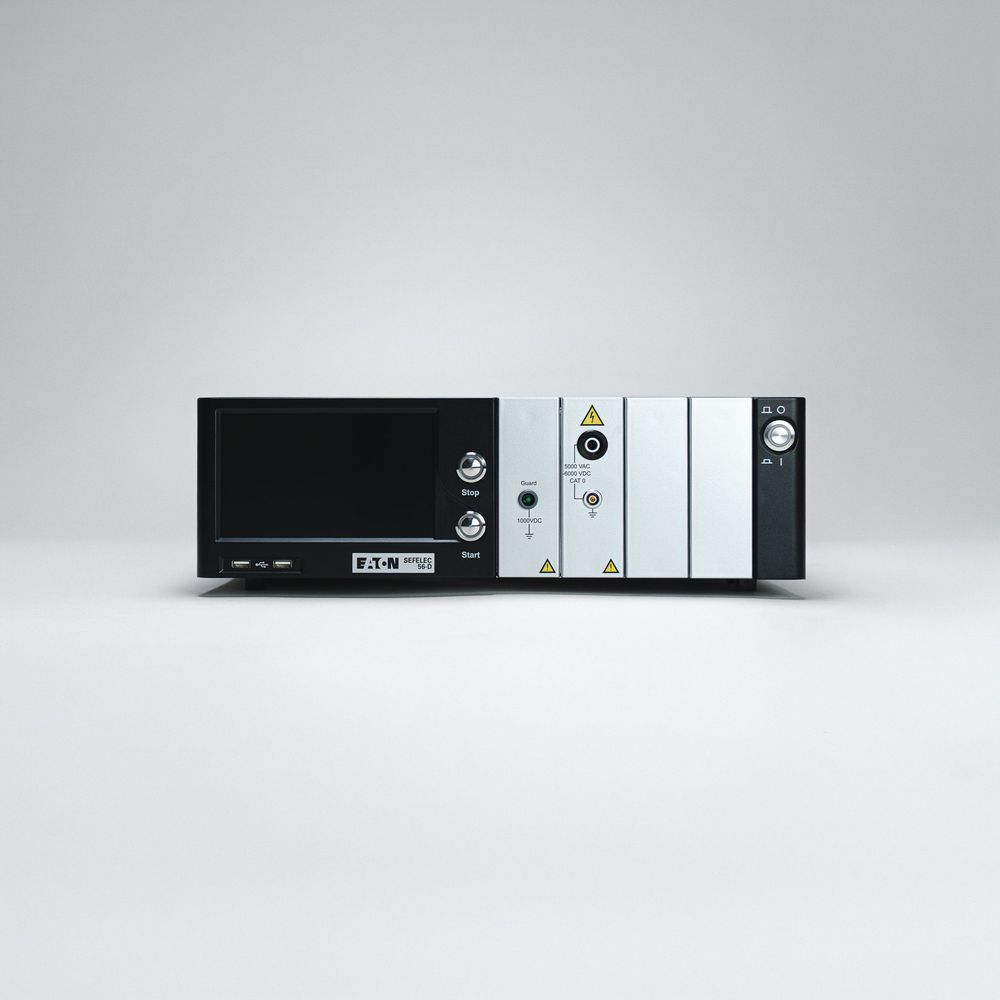

Megohmmeters
Allows insulation resistance measurement in ohms (Ω

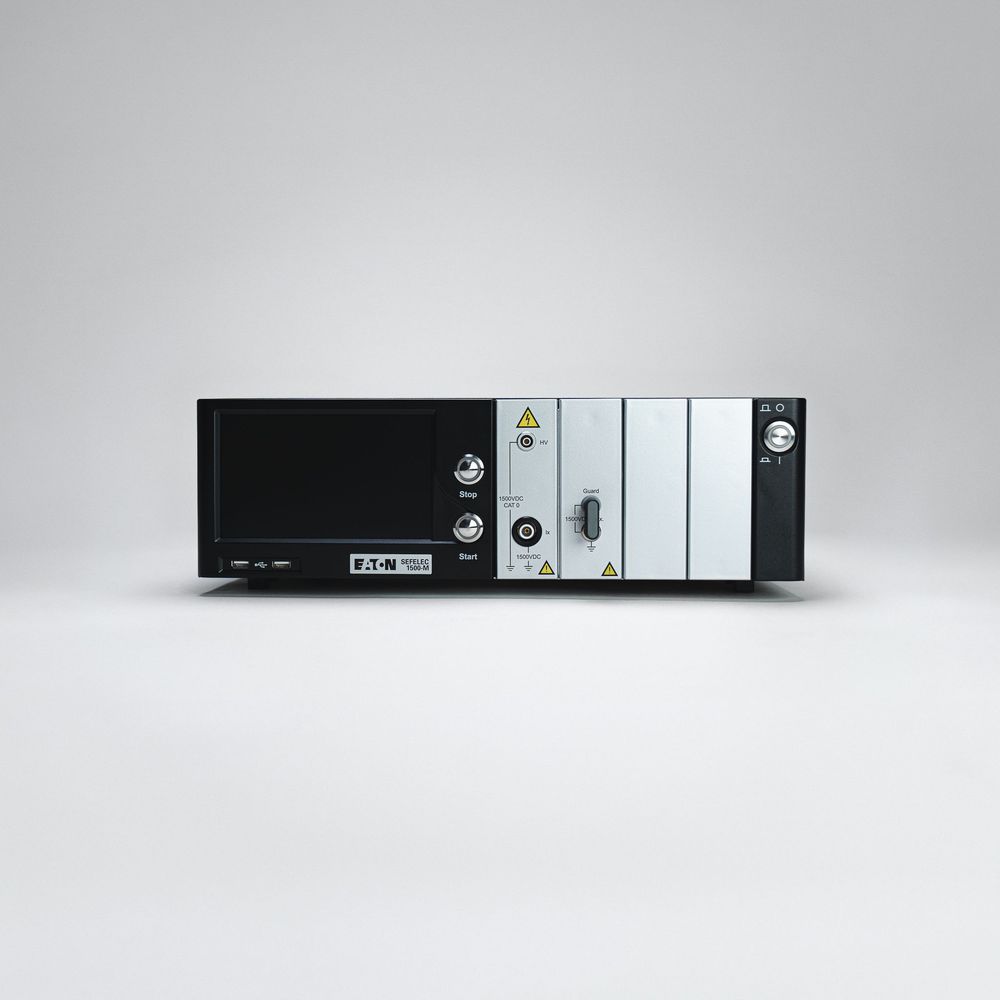
Hipot testers
Combines a high‑voltage generator, a leakage‑current measurement device and an electric‑arc detector, together with a discharge system.
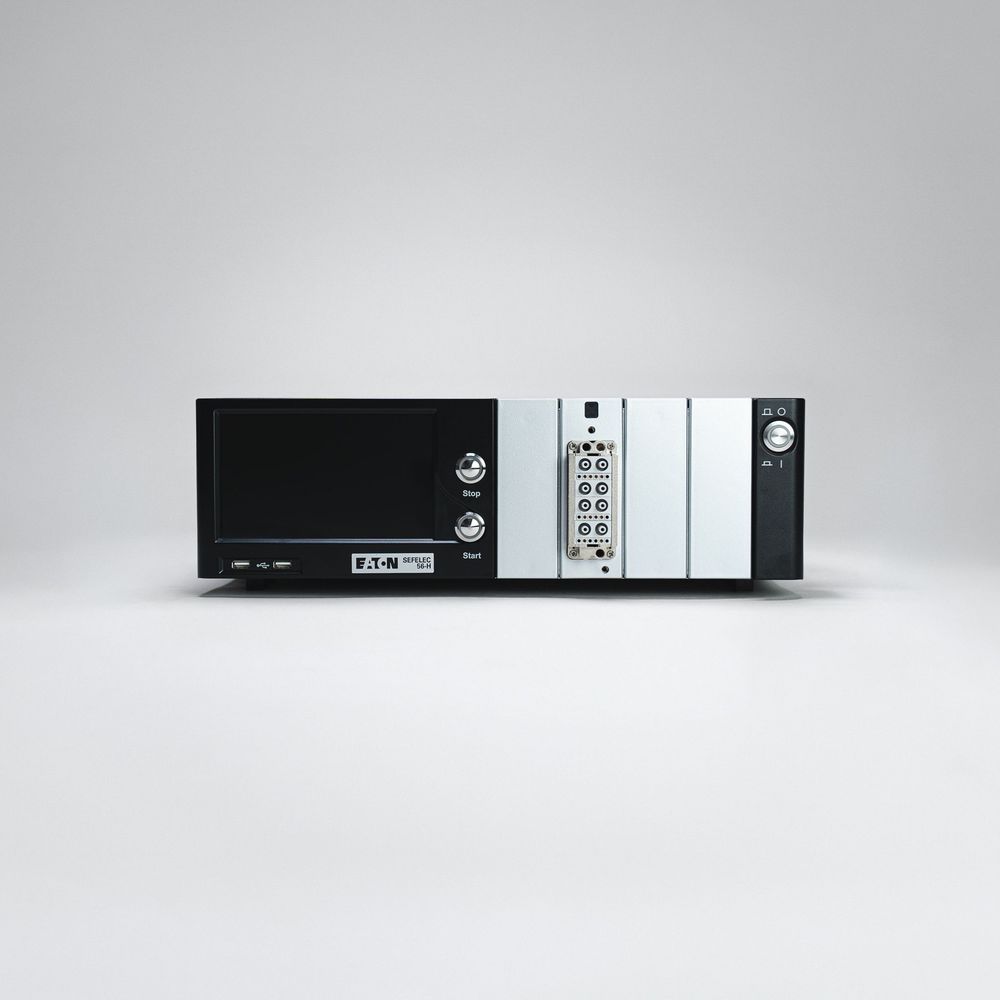


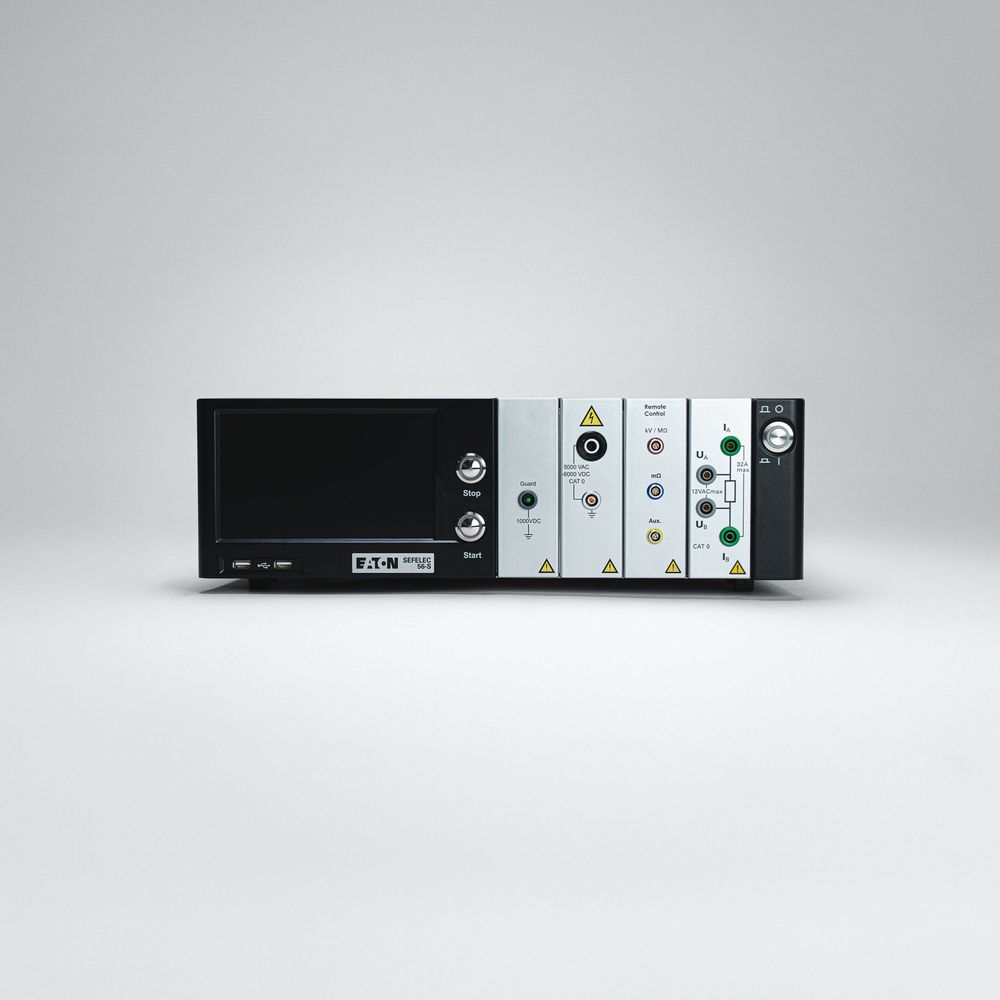
Low-voltage safety testers
Multi‑function instruments compliant with the Low Voltage Directive (LVD): dielectric strength, insulation and protective‑earth continuity.

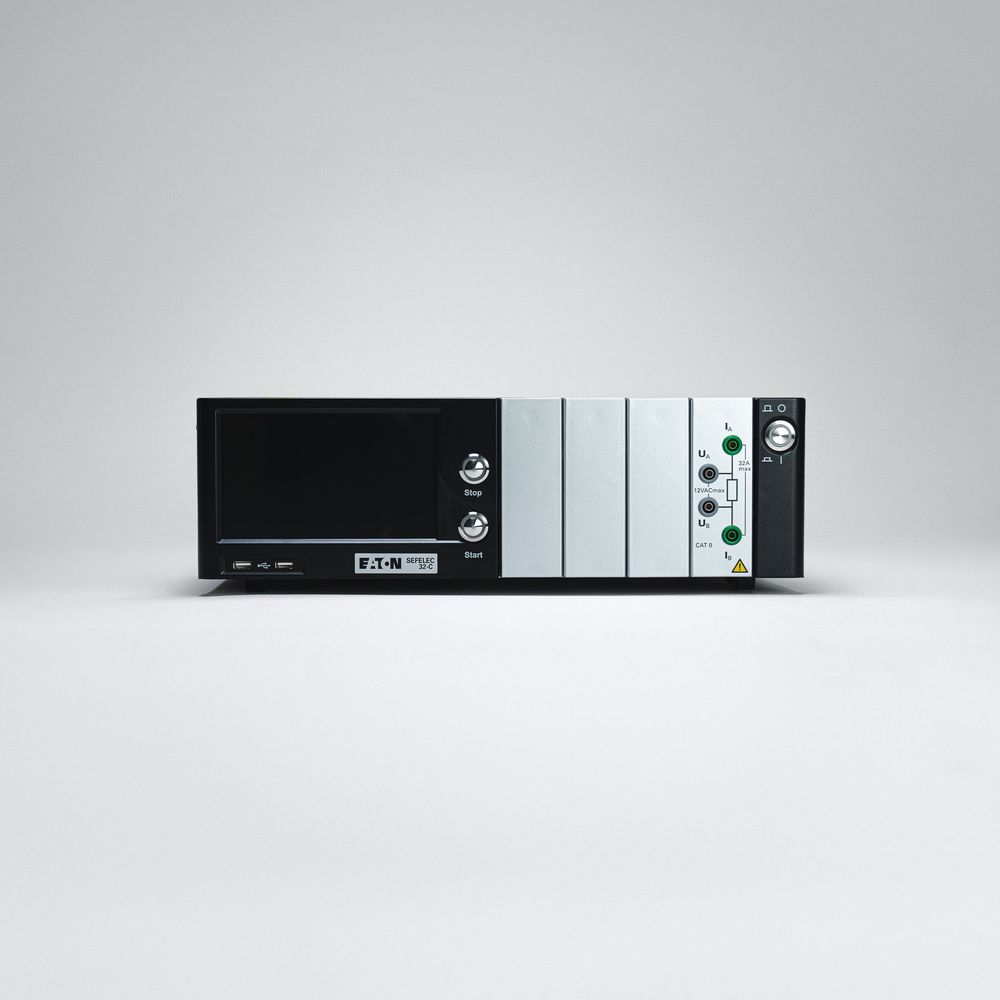
Ground bound tester
Allows testing of protective‑earth continuity under high AC current.
Why is safety essential at Sefelec?
At Sefelec, safety is more than a requirement : it is a core part of who we are.
Because our solutions are central to electrical testing, we place operator protection and risk management at the forefront of everything we do.
Every piece of equipment is engineered to offer an intuitive, ergonomic and reliable testing experience, fully compliant with the strictest industrial standards.
Putting safety first means ensuring the performance, trust and quality that have defined Sefelec’s reputation for over 60 years.
Why is electrical compliance a major issue?
Electrical compliance refers to meeting all applicable standards and regulations governing electrical installations, equipment, and systems to ensure safe operation and performance.
Electrical installation is considered compliant when it follows essential rules designed to:
- Protect people from electric shock hazards
- Prevent fire risks (short circuits, overloads, etc.)
- Ensure the proper functioning of equipment
Electrical compliance is critical across all industries to reduce risk and guarantee operational reliability.
What are the main electrical safety guidelines?
Every electrical product must comply with industry-specific safety standards before leaving production.
To prevent electrical accidents:
- Perform electrical safety tests at the end of manufacturing
- Ensure only qualified personnel operate testing equipment
- Use appropriate personal protective equipment (PPE)
- Follow certified testing procedures
These best practices help ensure both operator safety and product compliance.
How to identify electrical hazards in production or maintenance?
Identifying potential electrical hazards is essential to guarantee product safety during manufacturing and maintenance.
Key electrical safety tests
- Insulation resistance tests
- Dielectric strength (high voltage / HIPOT tests)
- Ground continuity tests
- Functional testing
SEFELEC testing solutions enable precise and reliable measurements to detect: design and manufactured defects, cables issues, component wear or degradation
Non-compliant results can lead to serious risks such as electric arcs, electrical shocks or fires.
These tests must be performed regularly throughout the product lifecycle, from production to maintenance (e.g., aerospace cables systems).
What regulations govern electrical safety?
Electrical safety is regulated by strict standards aimed at ensuring:
- Equipment reliability
- Operator and user protection
- Full compliance of installations
Each industry follows specific standards based on its technical requirements.
Key standards by Industry
- Industrial: IEC 60204-1, IEC 60364
- Automotive: ISO 6469, ISO 16750
- Railway: EN 50155, EN 50121
- Aerospace: DO-160
- Defense: MIL-STD-461, MIL-STD-704
SEFELEC 5X measurement instruments and SYNOR 5000 cable testers comply with IEC 61010-2-034, ensuring safe and reliable electrical testing.
How often should electrical equipment be inspected?
The inspection frequency of electrical and electronic equipment depends on several factors:
- Industry sector
- Applicable standards and regulations
- Type of equipment
- Level of criticality
- End-user environment
Examples
In aerospace, maintenance schedules are defined by authorities such as: EASA (European Union Aviation Safety Agency) and FAA (Federal Aviation Administration)
In contrast, there are no strict universal regulations for test and measurement equipment maintenance in other industry.
As a manufacturer, SEFELEC recommends annual calibration and metrology checks, which can be increased depending on application criticality and industry requirements.
Differences between electrical test devices
Electrical testing devices differ based on their core function:
- Dielectric testers / HIPOT testers:
Verify the ability of equipment to withstand high voltage stress
- Megohmmeters:
Measure insulation resistance and detect leakage currents
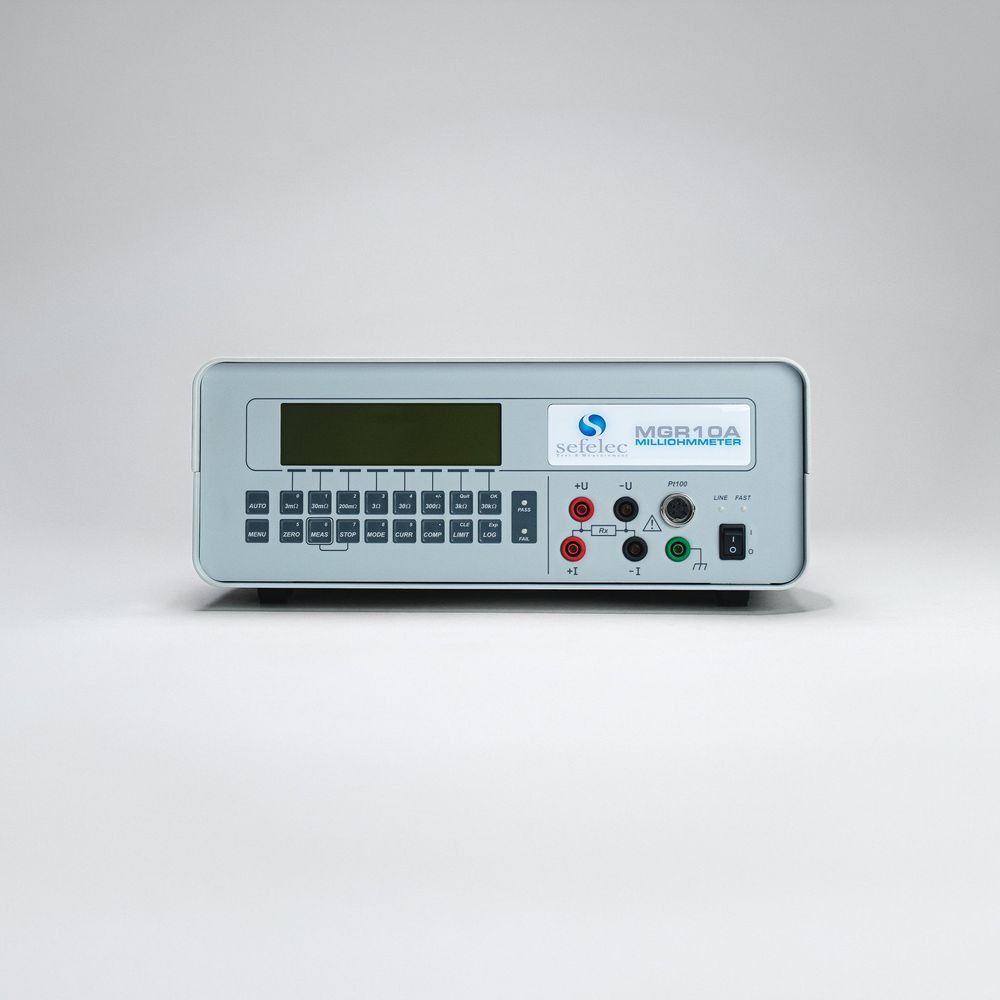
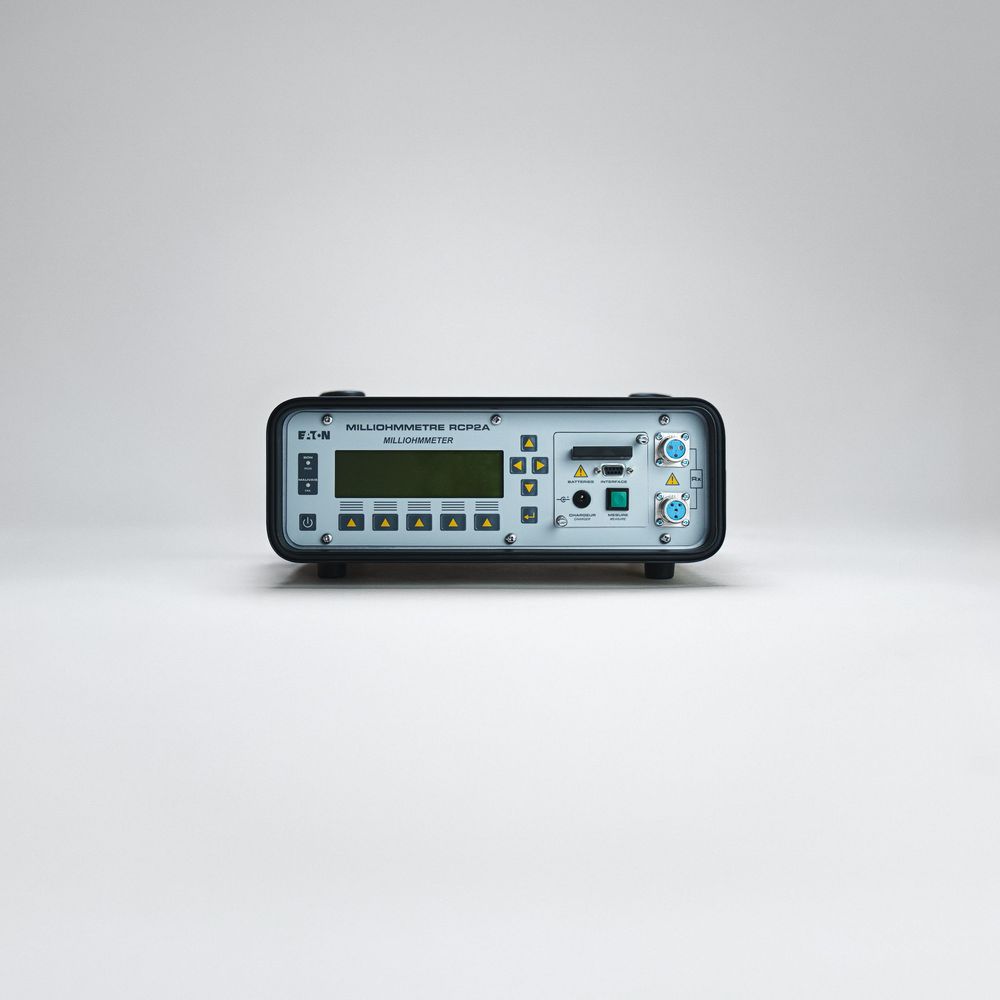
- Milliohmmeters:
Measure very low resistance values to assess connection quality and continuity
Each instrument plays a specific role in ensuring complete electrical safety and compliance.
Key Takeaway
Electrical safety is a critical requirement for all industries, ensuring protection, compliance, and reliability.
By combining appropriate testing methods, standards compliance, and regular inspections, companies can significantly reduce risks and guarantee the safety of both people and equipment.
Contact our experts
Need help to use our product?
Our support team is available to guide you, diagnose issues, and optimize your equipment.
We are here to meet your needs
We assist you in selecting, integrating, and upgrading your test solutions.